

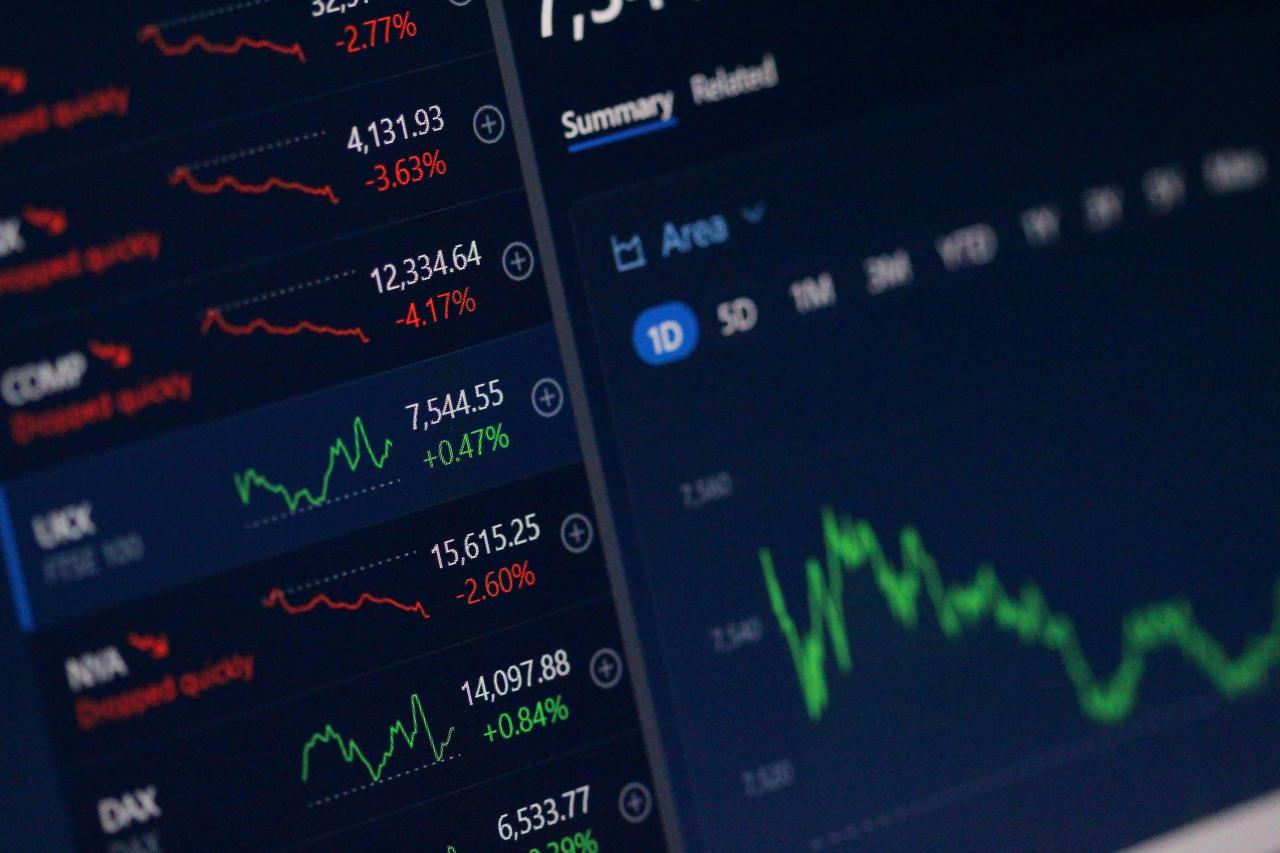
The financial landscape is currently undergoing a massive transformation as artificial intelligence moves from the high-frequency trading floors of Wall Street directly into the hands of everyday investors. We no longer live in an era where you must spend hours staring at complex charts or manually executing every single trade to grow your wealth effectively.
Modern AI trading agents act as proactive partners that can analyze vast amounts of market data, recognize patterns, and execute strategies on your behalf with incredible speed. These digital assistants utilize advanced machine learning to understand market sentiment and historical price action without the emotional bias that often leads to human error.
By mastering these tools, you effectively gain a digital chief of staff for your portfolio that works twenty-four hours a day without ever feeling fatigued. This technological shift allows you to offload the mental burden of constant market monitoring, freeing your brain for high-level creative work or personal enjoyment.
Most people find that once they properly configure their first trading agent, they reclaim significant time while maintaining a much more disciplined investment approach.
Understanding how to set boundaries and define clear objectives ensures that your digital partner remains helpful and profitable rather than overwhelming. This guide explores the most effective AI agents currently redefining the boundaries of routine trading and personal wealth management.
Mastering Automated Scalping with High Speed Agents
A. Analyzing Market Volatility and Rapid Execution
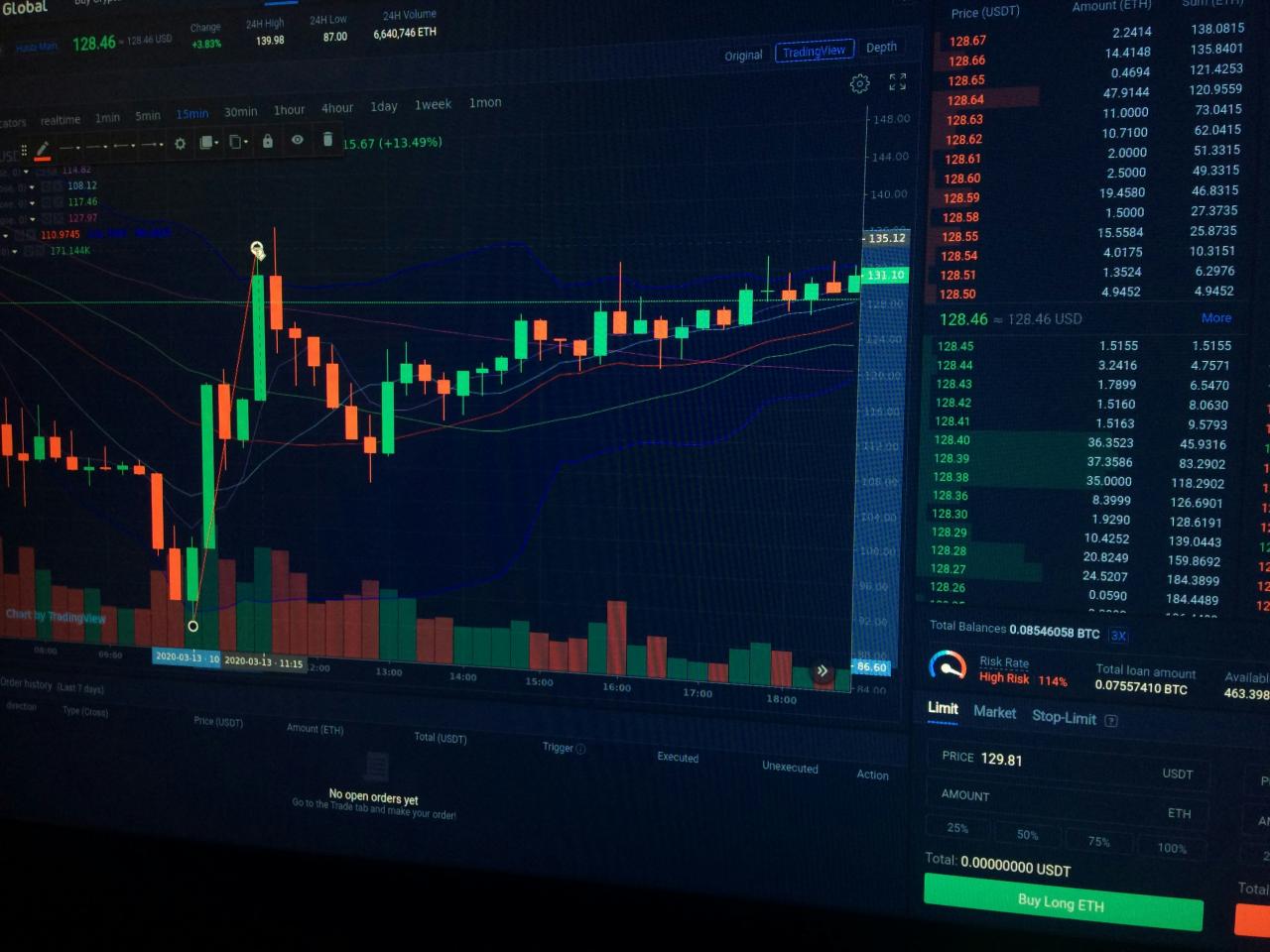
Scalping requires an agent that can move within seconds to capture tiny price fluctuations across various liquid assets. These AI agents monitor the order book and price action in real-time to find small gaps that human traders would likely miss.
They execute hundreds of trades per day, accumulating small profits that eventually grow into significant daily gains. Because they lack human emotion, these agents strictly follow your predefined exit rules to prevent a single loss from wiping out your progress. This disciplined approach is essential for anyone looking to profit from the fast-paced world of day trading.
From my perspective, many beginners fail because they set their scalping agents to be too aggressive with leverage. You solve the problem of “account liquidation” by capping your agent’s maximum position size to a tiny fraction of your total balance.
I suggest you focus your agent on highly liquid pairs like major currencies or top-tier digital assets to ensure fast entries and exits. This conservative strategy allows you to benefit from high-frequency movements while keeping your overall risk profile very manageable and safe.
B. Evaluating Liquidity and Spread Sensitivity
A high-quality scalping agent must understand the spread, which is the difference between the buying and selling price of an asset. AI agents calculate the cost of the spread in real-time to ensure that a trade is actually profitable before they pull the trigger.
They avoid markets with low liquidity where slippage could occur, causing you to buy at a much higher price than intended. By focusing on high-volume environments, the agent ensures that every transaction is efficient and follows your specific profit targets. This technical precision is what allows autonomous agents to outperform manual traders in high-speed market conditions.
I believe that slippage is the silent killer of automated trading profits for most retail investors today. You solve the problem of “hidden costs” by programming your agent to only execute trades when the spread is below a specific threshold.
My advice is to test your agent on a paper trading account first to see how it handles real-world liquidity during peak hours. This phase of testing ensures that your agent remains profitable even when the market becomes crowded and the competition for fast orders increases.
C. Determining Optimal Time Frames for Execution
Scalping agents usually operate on one-minute or five-minute charts to find immediate trends that they can exploit for profit. The AI analyzes historical data on these short time frames to identify support and resistance levels that act as boundaries for its trades.
It ignores the long-term noise of the market to focus exclusively on what is happening in the current hour or minute. This narrow focus is what makes scalping agents so effective at generating consistent, small wins throughout the trading day. By keeping the time frame short, the agent reduces its exposure to major news events that could cause unpredictable price swings.
In my view, over-trading is a major risk when you give an AI agent total control over a short time frame. You solve the problem of “trading fatigue” by setting a daily profit target that tells the agent to stop working once it reaches its goal.
I suggest you review the agent’s win rate every weekend to see if the chosen time frame still matches the current market volatility. This regular maintenance ensures that your agent stays sharp and doesn’t get stuck in a cycle of unprofitable or repetitive trades.
Optimizing Portfolio Rebalancing with Intelligent Agents
A. Harnessing Autonomous Diversification and Allocation
A rebalancing agent monitors your entire portfolio to ensure that your asset allocation remains in line with your long-term risk tolerance. If one asset grows too large and makes your portfolio too risky, the agent will automatically sell a portion and reinvest in other areas.
This sell high, buy low behavior happens automatically, removing the emotional difficulty of selling a winning asset. These agents can manage hundreds of different holdings simultaneously, something that would be impossible for a human to do manually every day. This constant oversight ensures that your wealth remains protected and diversified across various sectors and industries.
From my perspective, portfolio drift is the biggest hidden threat to long-term wealth preservation for most modern investors. You solve the problem of “unbalanced risk” by letting the AI handle the boring math of percentage-based allocation every single week.
I suggest you set rebalancing thresholds so the agent only makes moves when an asset deviates by more than five percent from your target. This prevents the agent from making too many small trades that would generate unnecessary transaction fees and lower your total net return.
B. Utilizing Smart Tax Loss Harvesting Strategies
Advanced AI agents can look for opportunities to sell assets at a loss to offset the capital gains you made elsewhere in your portfolio. This process, known as tax-loss harvesting, can save you thousands of dollars in taxes every year without changing your overall investment strategy.
The agent sells the losing asset and immediately buys a similar one to maintain your market exposure while locking in the tax benefit. Most human investors forget to do this or find the calculations too complex to manage during the busy tax season. An AI agent handles this task silently in the background, ensuring you keep more of your hard-earned money.
I believe that tax efficiency is the most underrated competitive advantage for the modern high-performance professional. You solve the problem of “overpaying on gains” by letting the AI act as a constant auditor of your taxable events.
My advice is to use an agent that specializes in wash-sale compliance to ensure you don’t accidentally violate any local tax regulations while harvesting losses. This high-tech oversight turns a complex legal chore into a simple and automated part of your daily wealth-building routine.
C. Implementing Volatility Adjusted Entry Points
Instead of buying an entire position at once, a smart agent uses Dollar Cost Averaging to buy more when prices are low. The AI analyzes market volatility to decide exactly when to make these purchases, seeking out the best possible entry points over time.
This reduces the impact of a sudden market crash and lowers your average cost per unit of the asset you are buying. By automating this process, you remove the fear of buying at the top and ensure a much smoother growth curve for your capital. It turns a disciplined investment habit into a mathematical certainty that requires zero effort on your part.
In my view, market timing is a fool’s game that often leads to missed opportunities and significant financial stress. You solve the problem of “buying at the peak” by giving the AI a fixed monthly budget to deploy using its own internal timing logic.
I suggest you use a limit order strategy where the agent only buys when the price hits a specific discount relative to the moving average. This disciplined approach ensures that you are always buying into the market with a safety margin that protects your long-term principal.
Strategic Trend Following and Sentiment Analysis
A. Analyzing Social Media and News Sentiment in Real Time
Advanced AI agents can read thousands of news articles and social media posts every minute to understand the current mood of the market. They use natural language processing to determine if the public sentiment around a specific company or asset is turning positive or negative.
If the AI detects a sudden spike in positive news, it can execute a trade before the general public has even finished reading. This information advantage allows the agent to ride the wave of a new trend from the very beginning. It turns the vast ocean of digital noise into a structured stream of actionable intelligence for your portfolio.
From my perspective, news fatigue is the primary reason why many retail investors make poor decisions during periods of high market drama. You solve the problem of “emotional reacting” by letting the AI filter out the hype and focus only on verified, high-impact data points.
I suggest you use an agent that combines sentiment data with technical data like volume and price action to confirm its trades. This multi-layered approach prevents the agent from falling for fake news or temporary social media pumps that lack real substance.
B. Developing Long Term Trend Recognition Models
Unlike scalpers, trend-following agents look at weeks or months of data to find the primary direction of a specific market. They use mathematical models like Moving Averages and Relative Strength Indices to identify when a new bull or bear market is starting.
The agent stays in a winning trade for as long as the trend remains healthy, only exiting when the data shows a clear reversal. This allows you to capture the meat of a major market move without the stress of trying to pick the exact top or bottom. It provides a stable and reliable way to grow your wealth alongside the world’s most successful industries and companies.
I believe that patience is the hardest skill for a human to master but the easiest skill for an AI agent to execute perfectly. You solve the problem of “selling too early” by letting the machine manage your trailing stop-loss orders based on actual market volatility.
My advice is to use a multi-indicator system where at least three different technical signals must align before the agent enters a new trend. This rigorous filter ensures that your agent only takes high-probability trades that have a strong chance of long-term success.
C. Establishing Strict Risk Management Guardrails
Every high-performance trading agent must have emergency brakes to protect your capital from unforeseen market black swan events. You can program your agent to automatically close all positions if your total portfolio value drops by a certain percentage in a day.
You should also use stop-loss orders on every single trade to ensure that no individual mistake can cause a catastrophic loss. These guardrails act as a digital insurance policy, ensuring that your trading business survives even the most volatile market conditions. Maintaining a safety-first mindset is what separates the successful long-term investor from the temporary gambler.
In my view, unlimited downside is the only thing that can truly destroy your financial freedom and your future peace of mind. You solve the problem of “emotional paralysis” during a crash by letting the AI handle the exit strategy before you even realize a crash is happening.
I suggest you perform a stress test on your agent once a month by simulating how it would handle a twenty percent market drop. This proactive preparation ensures that your digital partner remains calm and effective when the rest of the world is panicking.
Conclusion
AI trading agents are the best move for your future wealth. They provide a high level of discipline in a busy world. The technology for automated finance is getting better every day. You should embrace these tools to live a more focused life.
Always prioritize a system that respects your privacy and goals. A scientific approach ensures that your capital is safe and strong. Your wealth is your biggest asset and deserves the best care. Strategic financial AI adds massive value to your daily living now.
Don’t be afraid of the technical side of modern artificial intelligence. Most people find the automation of trading to be a massive relief. Start your journey to a better life by building your agent today. You will be amazed at the energy and peace you feel.
Your professional freedom starts with the smart choices you make now. Build a better future for your money with an AI trading agent.