

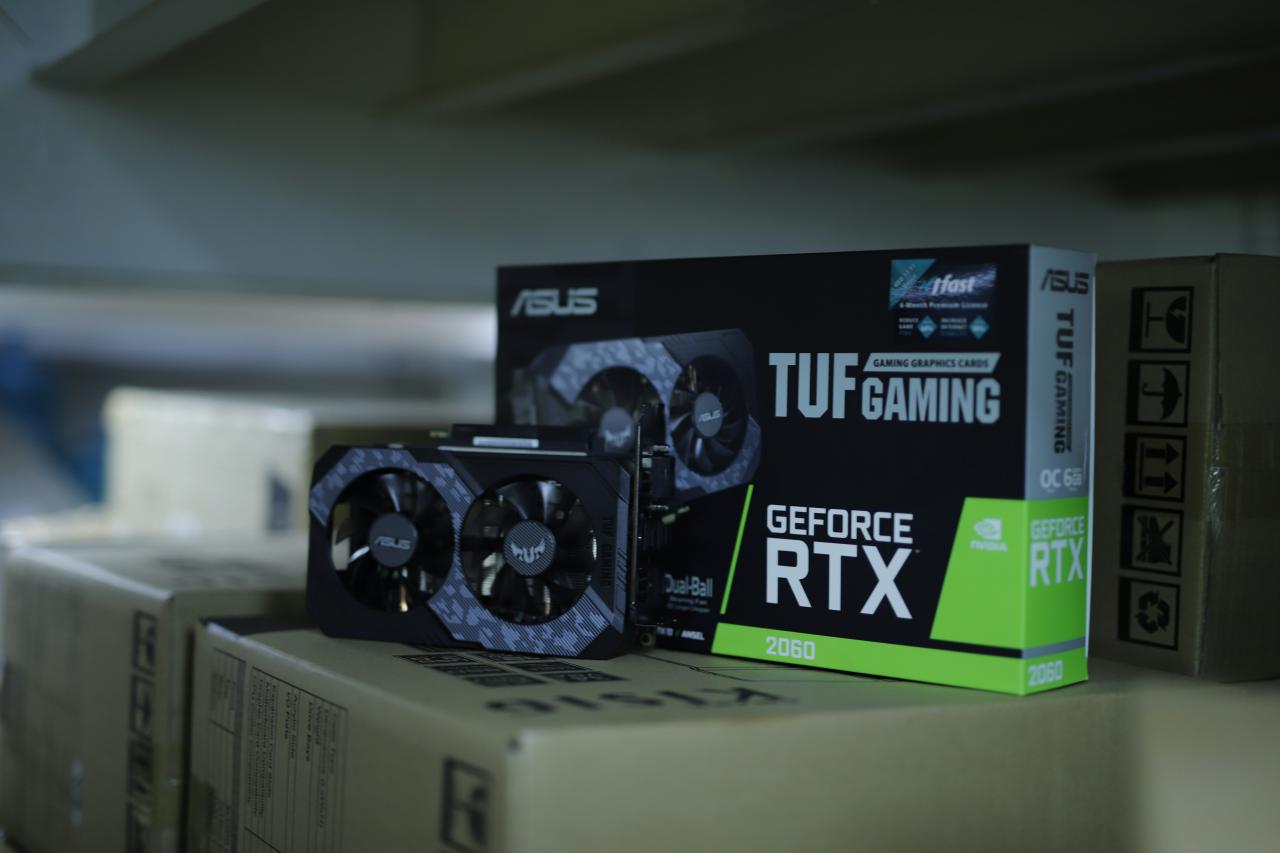
The global landscape of high-performance computing and artificial intelligence is currently witnessing a massive transformation as decentralized GPU rentals move to the forefront. For many decades, only massive data centers and tech giants held the keys to the enormous processing power required for complex digital tasks.
We are now entering a breathtaking era where anyone with a powerful graphics card can participate in a global sharing economy for computing resources. This evolution means that you can finally monetize your idle hardware while you sleep or focus on other professional projects throughout the day.
Modern decentralized platforms now focus on high-fidelity connectivity and secure task distribution to ensure your hardware remains productive and safe around the clock. By understanding the mechanics of GPU rental markets, you can significantly enhance your monthly cash flow and justify the cost of high-end computer components.
This article explores the essential pillars of passive hardware income and how these digital marketplaces are fundamentally changing the world of distributed computing forever. You will discover the practical secrets that turn a standard gaming rig into a powerful engine for sustained financial growth and international prestige.
Let us explore the best path toward a more rewarding digital life through the power of elite hardware engineering and smart tactical resource management.
Leveraging AI Training Demand For Maximum Profits
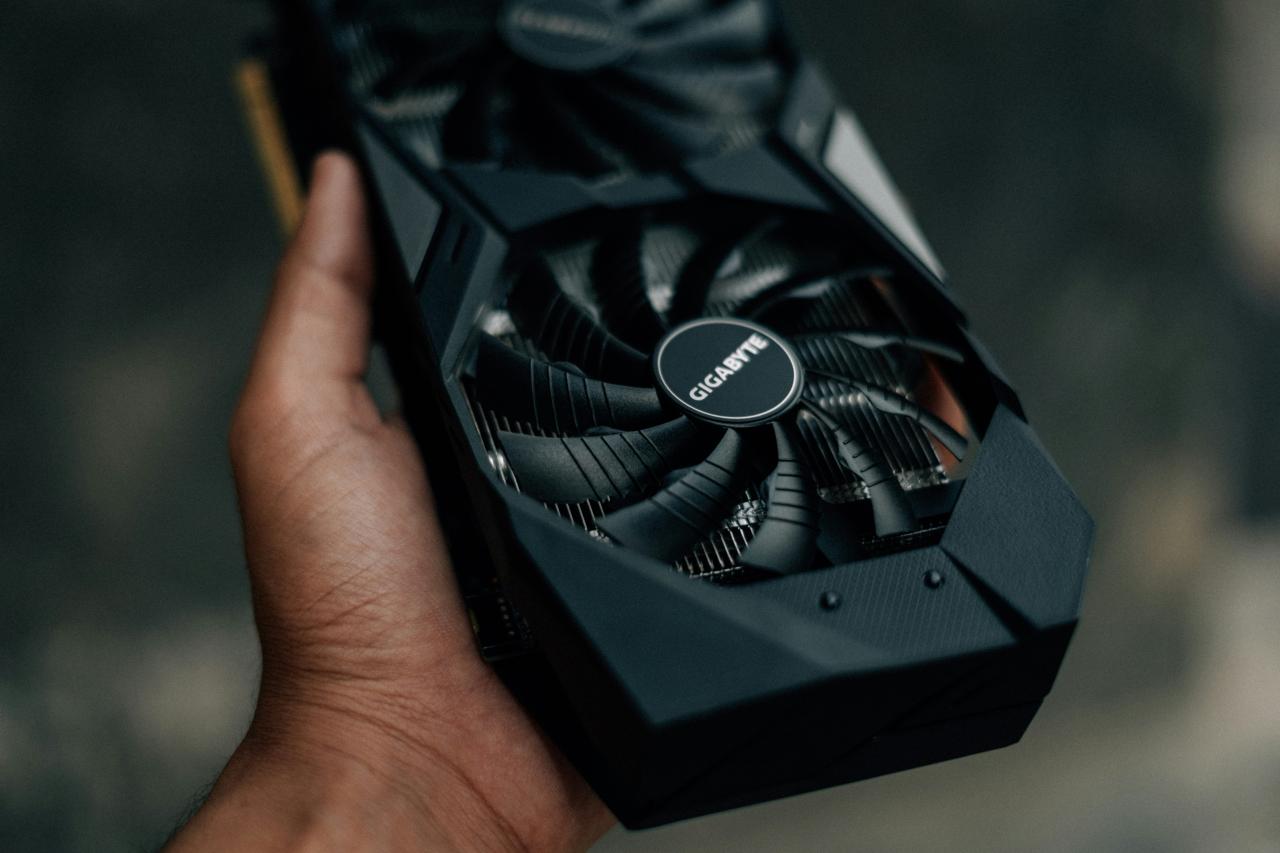
The primary advantage of renting out your GPU lies in the explosive growth of artificial intelligence and machine learning research worldwide. In the past, researchers struggled to find affordable computing power, often waiting weeks for a turn on expensive centralized cloud servers.
Now, the integration of decentralized GPU networks allows AI developers to rent individual cards from people like you to train their latest models.
This creates a powerful level of demand where high-end cards like the RTX series become highly sought-after assets in the global digital marketplace. It is a fundamental shift toward “democratized AI” where your personal hardware helps fuel the next generation of technological breakthroughs.
A. Utilizing high-VRAM cards that allow researchers to load larger data sets and more complex neural networks for better training results.
B. Implementing automated software that switches your GPU to the most profitable AI tasks based on real-time market demand and network pricing.
C. Achieving total hardware efficiency by ensuring your internet connection provides the low latency required for constant data synchronization with the network.
D. Leveraging “Docker” containers to provide a secure and isolated environment for the client’s code while it runs on your physical machine.
The biggest problem for many providers is the “heat management” issue that occurs when a GPU runs at full load for twenty-four hours a day. You solve this “durability barrier” by investing in high-quality cooling solutions and undervolting your card to maintain peak performance without reaching dangerous temperatures.
Think of your GPU as a professional employee; it needs a cool and stable environment to deliver the best results for your clients consistently. When you master the art of thermal optimization, you find that your hardware lasts longer and provides a much more consistent stream of passive income.
High-Speed 3D Rendering And Visual Effects Tasks
Beyond the world of AI, the entertainment and architectural industries have a massive and constant need for distributed rendering power. In the past, small animation studios had to build their own expensive render farms, which often sat idle between major projects and wasted capital.
Now, these studios use decentralized GPU clusters to render complex 3D scenes across thousands of individual user machines simultaneously.
This provides a massive advantage for hardware owners who can earn premium rates by providing the raw power needed for the next big movie or architectural visualization. It is a strategic move to “cloud-source creativity” by turning your gaming PC into a vital part of a global digital film studio.
A. Evaluating the “Octane” or “V-Ray” benchmarks of your GPU to determine which rendering tasks will provide the highest return on your electricity costs.
B. Tracking the major release cycles of architectural software to predict when demand for rendering power will spike in the global marketplace.
C. Identifying the best “Render Farms” that offer decentralized options, allowing you to join a larger pool of GPUs for more consistent task assignments.
D. Utilizing high-speed SSDs to ensure that the massive 3D scene files can be loaded and processed by your GPU without any storage-based delays.
The challenge for many enthusiasts is the “bandwidth bottleneck” where slow upload speeds prevent them from receiving and sending back large rendered frames quickly. You solve this “connectivity gap” by upgrading to a fiber-optic connection or using specialized networking tools that prioritize your rendering traffic.
Think of your GPU as a high-speed printer; if the paper doesn’t arrive fast enough, the machine can’t do its job effectively. When you prioritize your network speed alongside your hardware power, you move into a category of performance where your earnings stay at the top of the market.
Optimizing Electricity Costs And Hardware Efficiency
The true secret to a profitable GPU rental business is managing the gap between your gross earnings and your monthly electricity bill. In the past, many people ignored their power consumption, only to find that their utility costs swallowed all their hard-earned rental profits.
Now, professional providers use specialized “efficiency profiles” to find the “sweet spot” where the card provides maximum computing power while using the minimum amount of electricity.
This ensures that you maintain a healthy profit margin even during periods when the market rental rates are slightly lower than average. It is a move to “perfect the economics” by treating your hardware setup like a professional business operation with strict cost controls.
A. Analyzing the “Price per Watt” of your current electricity plan to determine the most profitable hours of the day to keep your rental rig active.
B. Monitoring the “Power Limit” settings in your GPU software to prevent the card from wasting energy on marginal performance gains that don’t increase rental rates.
C. Identifying the benefits of “Green Energy” solutions like solar panels that can effectively reduce your operating costs to nearly zero during the daytime.
D. Utilizing “Smart Plugs” and remote monitoring tools to track your real-time power draw and shut down the system if profitability dips below a certain threshold.
The problem for many casual users is the “noise and lifestyle” conflict where a loud, hot computer running in a bedroom makes it difficult to sleep or relax. You solve this “environment barrier” by moving your rental rig to a garage or a dedicated closet with proper ventilation and soundproofing.
Think of your rental business as a professional workshop; it works best when it has its own space where it won’t be disturbed or cause a nuisance. When you balance technical efficiency with a smart physical setup, you create a sustainable passive income stream that doesn’t interfere with your daily life.
Security And Privacy In Decentralized Computing
Entrusting your physical hardware to strangers over the internet requires a robust approach to digital security and personal privacy. In the past, people worried that renting out their GPU could lead to hackers accessing their personal files or infecting their systems with malware.
Now, modern GPU rental platforms use “Virtualization” and “Trusted Execution Environments” to ensure that the client’s code never touches your actual operating system.
This provides a powerful level of protection where you can earn money with total peace of mind, knowing that your personal data stays completely isolated. It is a proactive way to “secure the profit” by utilizing the latest advancements in cybersecurity to protect both the provider and the client.
A. Utilizing “Non-Privileged” user accounts to run the rental software, ensuring that the client’s tasks have no administrative access to your computer.
B. Tracking the “Reputation System” of the rental platform to ensure you only accept tasks from verified and high-quality clients with a history of safe usage.
C. Identifying the best “Firewall” settings to block all incoming traffic that isn’t directly related to the specific computing task assigned to your GPU.
D. Leveraging “Hardware Isolation” features found in modern motherboards and CPUs to create a physical barrier between your personal data and the rental task.
Many enthusiasts struggle with the “technical fear” of setting up these security measures correctly and worry about making a mistake that leaves them vulnerable. You solve this “knowledge barrier” by following step-by-step guides from the rental platform and using “pre-configured” operating system images designed specifically for secure hosting.
Think of your computer as a professional apartment building; the rental guests stay in their own secure rooms and never have a key to your private office. When you prioritize security from the beginning, you help build a world where everyone can safely share resources and profit together.
Conclusion
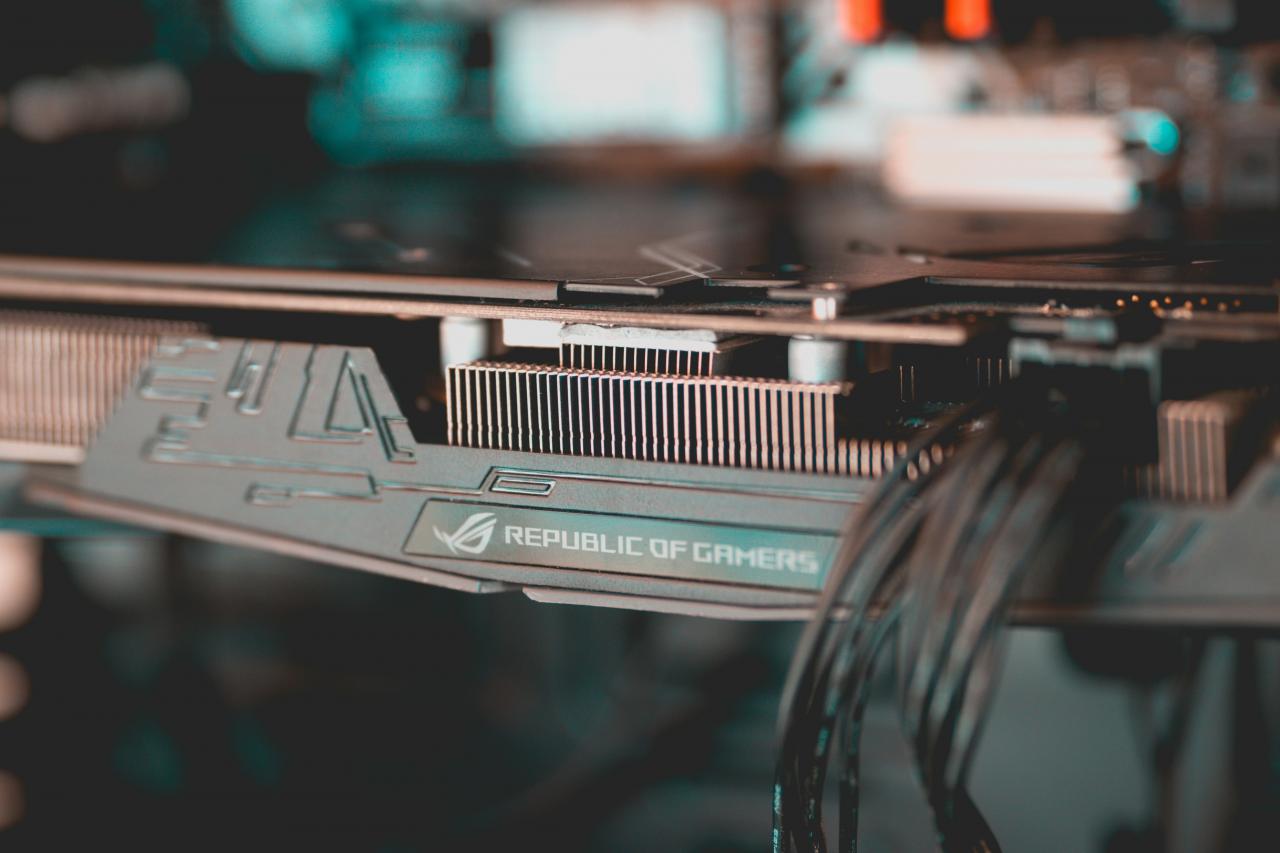
Strategic computational orchestration creates true sovereignty by replacing idle hardware with high-performance monetization engines. Assigning missions to every processing cycle helps prevent infrastructure underutilization from dictating your digital strategy.
This disciplined approach ensures your technical assets remain an efficient and powerful revenue-generating asset. Auditing your rendering workflows and monitoring thermal efficiency allows you to reclaim operational control.
Strategic security protocols ensure your hardware ecosystem acts as a fortress against unpredictable data shifts. This logical framework provides the stability needed for a high-performance lifestyle.
Building for the future requires executing your resource-sharing plans with unwavering and total confidence. Sophisticated distributed systems transform your raw power into a permanent freedom engine.
Long-term excellence starts with the structural decisions you make right now. The future of architecture is defined by the systems you build.